
Ripple Effects: Water in a Warming World
(VIRTUAL) Fall 2025
Instructors: Margie Turrin & Marisa Annunziato, Lamont-Doherty Earth Observatory, Columbia Climate School
Live Information Session Attendees will receive 10% Discount Code
Description:
Water covers about 71% of our planet, making it one of Earth’s most important resources. It’s essential for life, from the tiniest plankton to humans who depend on it every day for drinking water. It creates a huge variety of aquatic habitats including rivers, estuaries, lakes, oceans, and wetlands which are home to incredible species and ecosystems. Oceans and wetlands are a vital part of the climate system. Oceans modulate and distribute heat around the globe, and along with wetlands store carbon and act as carbon sinks. However, water on Earth is changing. Climate change poses an array of challenges, altering and destroying vital habitats, changing precipitation patterns increasing the potential for droughts and flooding, changing global sea level, and threatening water security.
In this workshop we will focus on how climate change is impacting water systems on Earth from ecosystem disturbances to potential public health crises. We will identify the importance of different aquatic ecosystems, the changes they are facing, and approaches to mitigate and adapt to climate change. We will delve into how climate change poses a risk to public health, contaminating waterways, and decreasing the availability of drinking water through salination of freshwater and drought events. Using the knowledge acquired over the course of the workshop, students will create a final presentation sharing an example of a water system or aquatic habitat that is being impacted by climate change within their own community and identify potential mitigations.
Learning Objectives/Themes:
- Gain an understanding of climate change and its impact on water systems
- Learn about the importance of water on Earth in all its forms
- Identify a range of different aquatic habitats and how climate change is altering them
- Assess the public health implications of water security and health in the face of climate impacts
- Introduce different approaches to address climate impacts on water systems
- Explore local impacts to water and aquatic habitats in your community
Who the workshop is for:
This workshop is designed for high school students who wish to deepen their understanding of how climate change is transforming Earth’s water systems. Participants will explore both current and projected impacts of climate change on freshwater, brackish and marine environments, while gaining insight into the consequences for water security, quality, and ecosystem health. By the end of the program, students will have strengthened their knowledge of the relationship between climate change and aquatic systems, the challenges these changes pose globally and potential mitigation actions. The workshop welcomes motivated learners from all academic backgrounds who share an interest in environmental issues and solutions.
Learning Modalities:
The series of sessions for this workshop will be offered virtually using Zoom. They will feature a mixture of lectures, and visual materials including audio/videos, and include a significant amount of both discussions and activities.
Please note that all workshops are taught in English. Proficiency in written and spoken English is required.
Schedule: (Virtual) October-December 2025, Saturdays, 10 am-12 pm EST unless otherwise indicated.
- Session 1: Saturday, October 18th
- Session 2: Saturday, October 25th
- Session 3: Saturday, November 1st
- Session 4: Saturday, November 8th
- Session 5: Saturday, November 15th
- Session 6: Saturday, November 22nd
- Session 7: Saturday, December 6th (*3 Hour Session: 10-1 pm)
Instructor Bios:
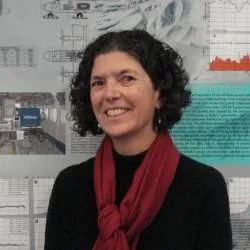
Margie Turrin is Director of Educational Field Programs at Lamont-Doherty Earth Observatory of Columbia Climate School where for the last 25 years she has developed and delivered science education for formal and informal educators, and conducted research linking science and education. She is committed to field-based teaching and research opportunities and teaching Earth as a system. She has participated in multiple field and education programs at the local, national and international levels blending climate research and education to a place-based application. She recognizes the role of youth to bring about change and has focused on empowering them to be the change agents we need.

Marisa Annunziato is the Education & Outreach Coordinator at Lamont-Doherty Earth Observatory of Columbia Climate School where she helps to develop environmental education curriculum and outreach materials. She is involved in helping to coordinate and lead formal and informal education opportunities including hands-on field-based learning experiences, research opportunities, and public outreach events. She is passionate about fostering people's connections to and knowledge of local and global environments. Through the various projects she works on, she strives to educate others about the connectivity of Earth's different systems and the impacts climate change will induce.