
News Highlights from State of the Planet
What Can Fossil Corals in the Cook Islands Teach Us About Global Sea Level Rise?
Scientists are studying fossil coral reefs in the Cook Islands to reconstruct sea levels during the Last Interglacial, and hoping to improve projections of future change.
Columbia Climate School Hosts City Leaders to Address Energy Affordability and Climate Action
Sustainability leaders from Ann Arbor, Atlanta and NYC shared the ways they are working at the local level to improve energy efficiency and reduce costs, while also reflecting on the challenges they face.
On Ancient Madagascar, Large Native Herbivores Paid the Price as Introduced Livestock Spread
New analyses of ancient cattle, sheep and goat bones suggest that the rapid spread of introduced livestock 1,200 years ago coincided with forest loss and population declines among large native herbivores.
In the Media
The Super El Niño Is About to Unleash Weather Chaos. Get Ready Now.; Guest Essay
Climate Crisis Is No Longer a ‘Distant Warning,’ UN Leader Says
Super-Strong El Niño Could Lead to 450K Deaths. Map Shows the States Hit Hardest
Mounting Debt Is Impeding Africa’s Climate Change Adaptation Efforts
Al Gore Is Still Sounding the Alarm About Climate Change; New York Today
For the Media
Media Contact
Press Resources
Guides and information to help the media connect with our scientists and experts.
Press Releases
Top stories from State of the Planet.
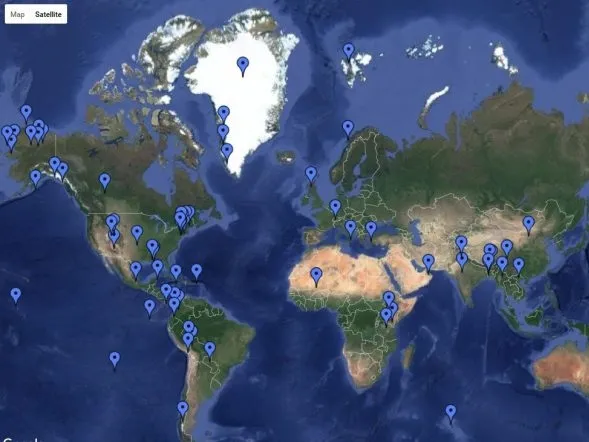
On Ancient Madagascar, Large Native Herbivores Paid the Price as Introduced Livestock Spread
New analyses of ancient cattle, sheep and goat bones suggest that the rapid spread of introduced livestock 1,200 years ago coincided with forest loss and population declines among large native herbivores.
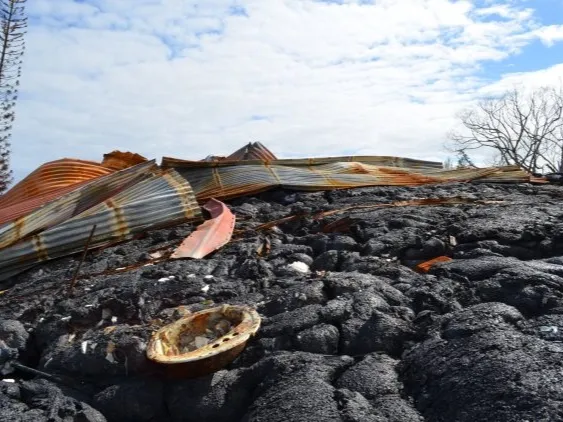
Robot Sailboats Will Spend Five Years Measuring Carbon in the Southern Ocean
Led by researchers at NOAA and Columbia University, the Constraining Ocean Carbon with Optimized Observing (COCO2) project will use uncrewed surface vehicles to reduce uncertainty in estimates of the ocean carbon sink.
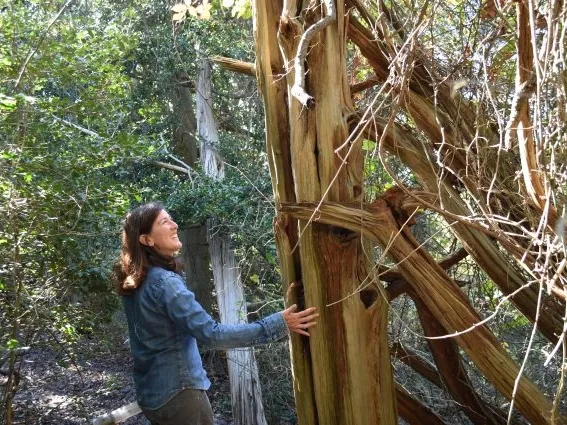
New Report: Ocean Carbon Removal Shows Promise, But Big Questions Remain
Marine carbon dioxide removal could support climate action but faces major scientific, technical and governance challenges, according to a National Academies of Sciences, Engineering, and Medicine report.
Communicating Science
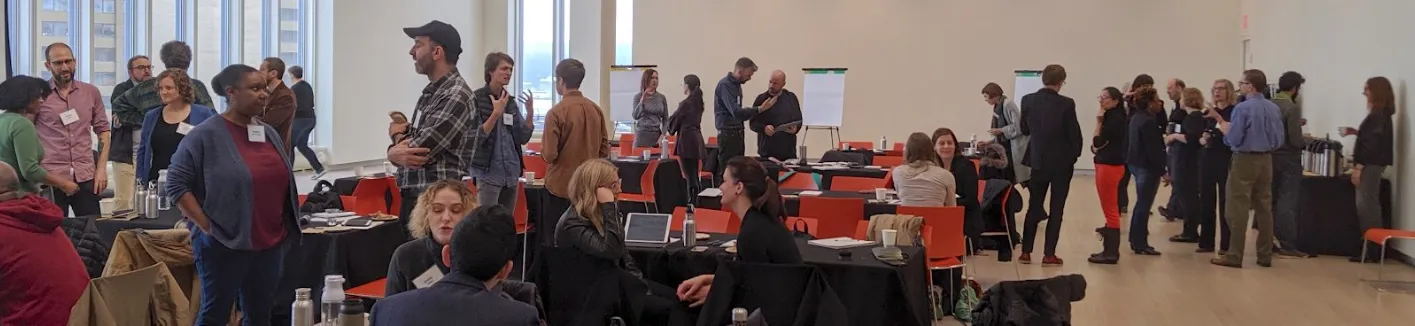
There are many resources to help scientists and scholars better connect with the press, public, policymakers, and each other. Here are some handy links, including handbooks, toolkits, insights on the relationships between science and the media, and fellowships for scientists who want to hone their communication skills.
More Resources
Guides & Toolkits
- SciComm Toolkits, American Geophysical Union
- A Scientist’s Guide to Working with the Media, American Geophysical Union
- Communication Toolkit, American Association for Advancement of Science
- Social Media Workshop for Scientists: Extending Your Digital Footprint with Sree Sreenivasan, Alan Alda Center for Communicating Science (Slides)
- A Research Communications Toolbox, Boise State University
- Op-ed Writing: Tips and Tricks, The OpEd Project
- Science Editing Handbook, Knight Science Journalism Fellowship at MIT
- Media Training A to Z, TJ Walker
Videos
- Scientists Ordering Breakfast, NPR
- Life After Death by Powerpoint, Don McMillan
- Undergrads Unwittingly Subjected to World’s Worst Research Talk, NanoNerds
- Randy Olson, TEDMED Storytelling
- Gavin Schmidt: The Emergent Patterns of Climate Change, TED
Books
- A Scientist's Guide to Talking with the Media, Union of Concerned Scientists
- If I Understood You, Would I Have This Look on My Face?, Alan Alda
- Don't Be Such a Scientist, Randy Olson
- Am I Making Myself Clear?: A Scientist's Guide to Talking to the Public, Cornelia Dean
- Explaining Research: How to Reach Key Audiences to Advance Your Work, Dennis Meredith
Articles
- Inside EurekAlert, the News Hub That Shapes the Science You Read, Wired
- Attention, All Scientists: Do Improv, With Alan Alda’s Help, New York Times
- Science Communication Requires Time, Trust, and Twitter, Science
- The Science and Art of Science Writing, New York Times
- Stop Complaining about Your PR Firm. Here’s How the Media Works
- Public Science 2.0—Back to the Future, Science
- Capably Communicating Science, Science
- Outreach: Field Hospitality, Nature
- Why Scientists and Journalists Don't Always Play Well Together, Forbes
- This Is a News Website Article About a Scientific Paper, The Guardian
- Climate Experts Tussle Over Details. Public Gets Whiplash, The New York Times
Fellowships
- Mass Media Science and Engineering Fellows Program, American Geophysical Union
- AAAS Mass Media Science & Engineering Fellowship, American Association for Advancement of Science
- Energy Journalism Fellows, Center on Global Energy Policy, Columbia University