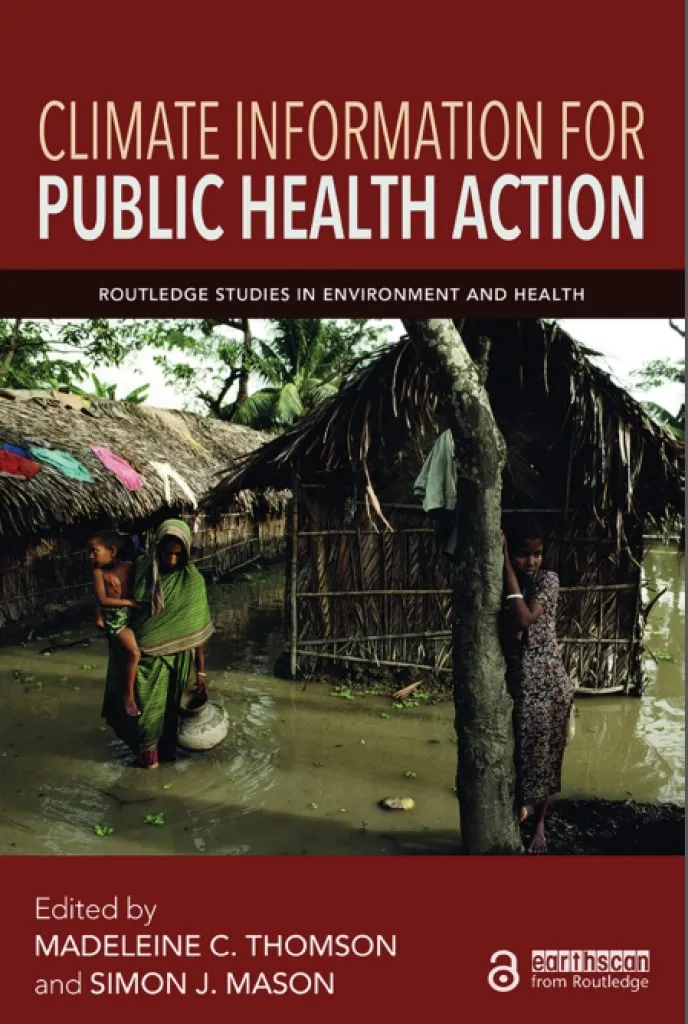
Climate Information for Public Health Action
Climate is one of many drivers of health and development outcomes that is measured outside of the health sector. It also is a critical driver of a wide range of development outcomes (e.g. food and water security) that impact on health. Climate is measured and monitored in a systematic way by land and sea observations, satellite-based remote sensing and global model outputs all around the world. The resulting mass of data, in various national and global repositories, is highly structured and has the potential to be organized to provide routine daily, weekly or monthly information for most regions of the planet.
Climate information, based on an analysis of historical data, monitoring of current conditions or predictions of future weather or climate events and trends, can inform public health and development policy and planning. This course looks in detail at the use of climate data and information in health and development decision-making (infectious disease, nutrition, disaster, food security etc.) with an emphasis on understanding the critical criteria that can enable data to drive decisions.